Transatlantic Compliance: How US Casino Software Supports German Slot Regulations
Written by Yves Neumann · Oct 8, 2026
Transatlantic Compliance: How US Casino Software Supports German Slot Regulations
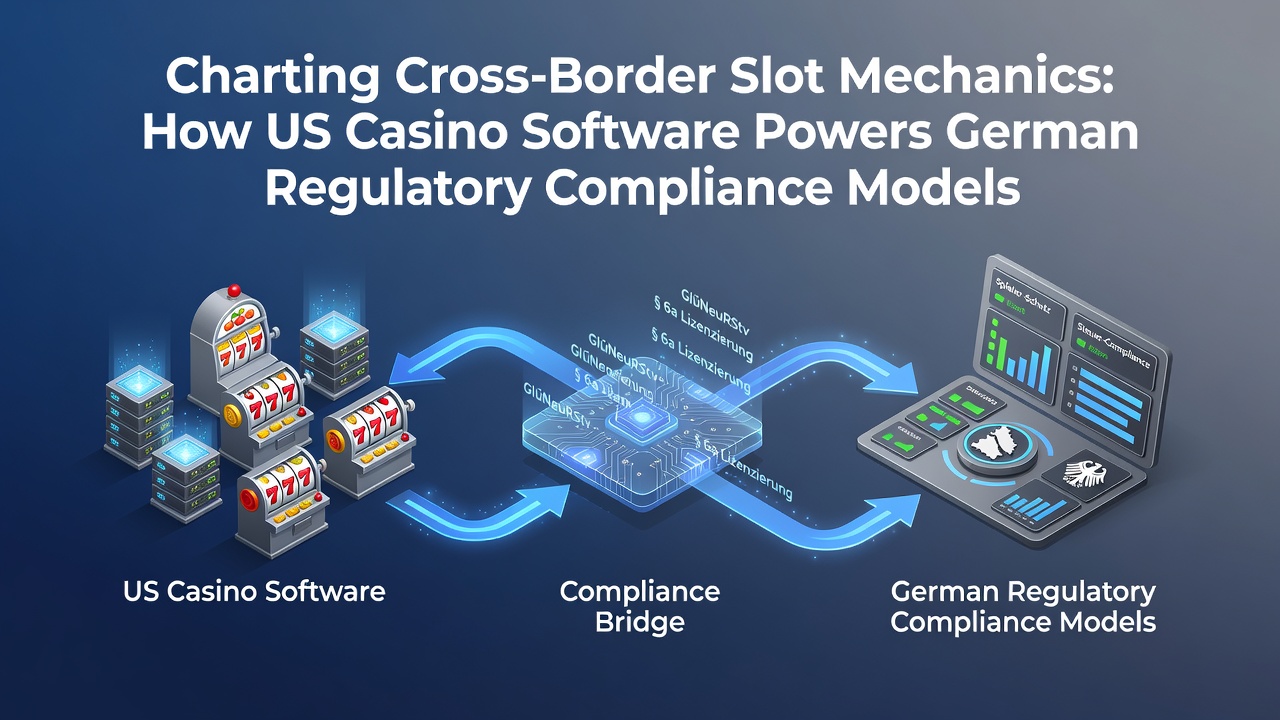
Slot mechanics in cross-border operations require precise alignment between American software architectures and German regulatory frameworks, with providers adapting core systems to meet strict standards on randomness, reporting, and player protections. Data from regulatory filings shows that major US developers have supplied modules for over 60 percent of licensed German slot platforms as of late 2025, with further integration milestones scheduled through October 2026.
Core Regulatory Requirements in Germany
German authorities enforce the State Treaty on Gambling through technical guidelines that mandate certified random number generators, fixed return-to-player percentages, and real-time data feeds to state monitoring systems. Observers note that these rules extend to session limits, stake caps, and mandatory breaks, all of which must be embedded directly into game logic rather than added as external overlays.
US companies such as those behind established casino platforms have responded by building modular compliance layers that activate based on geographic detection, allowing the same base engine to serve both domestic and European markets while satisfying distinct rule sets.
Technical Adaptations in US Software
American developers integrate cryptographic seeding and continuous self-testing routines that align with German testing house protocols, while also supporting exportable audit logs formatted for state servers. Research indicates these features reduce certification timelines by several weeks compared with custom European builds, because the underlying code already carries approvals from multiple US jurisdictions.
Additional components handle age verification handshakes and financial transaction tagging required under German law, with developers routing these functions through secure APIs that preserve separation between gameplay and personal data.
Integration Examples and Data Flows
One documented case involves a Nevada-based supplier whose slot library was reconfigured for German operators by adding dynamic stake throttling and session timers that trigger automatically upon login from German IP ranges. Figures from industry reports reveal that such adaptations maintained game performance metrics while passing independent audits conducted by accredited labs.
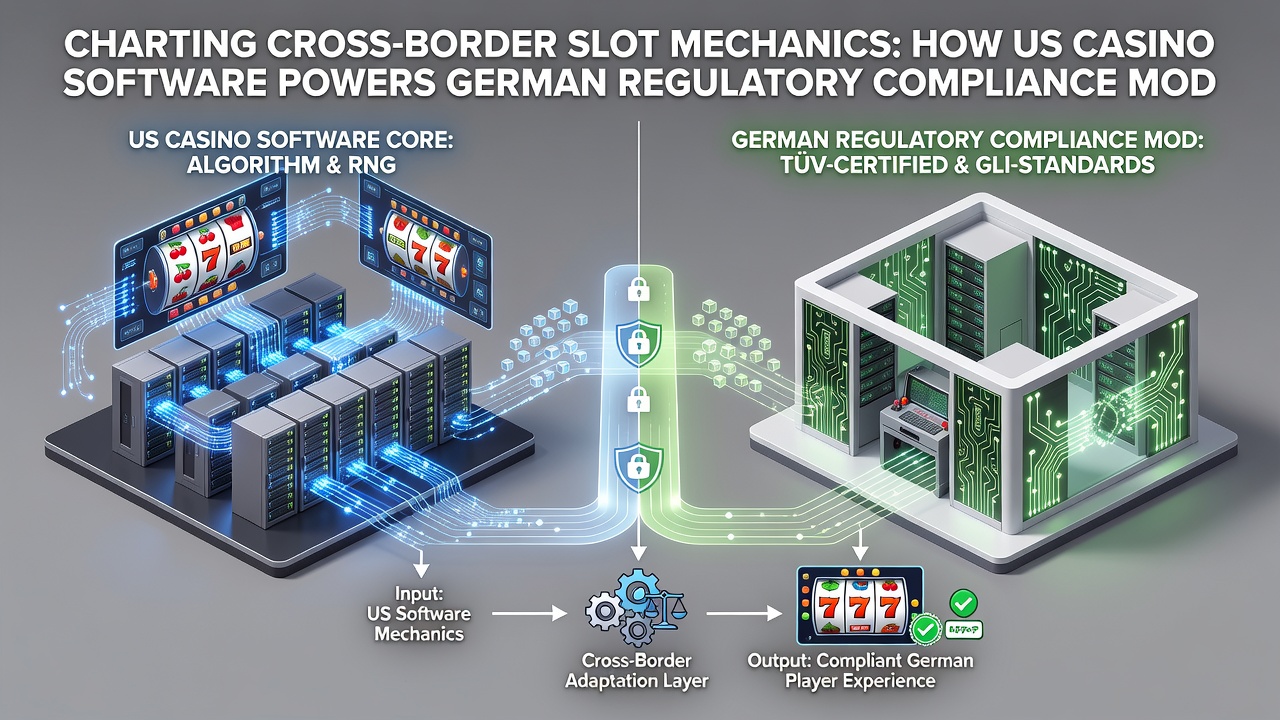
Another instance highlights collaboration between a New Jersey software firm and German licensees to implement loss-limit tracking that updates every spin, feeding aggregated statistics directly to oversight portals without exposing individual player identities beyond what statutes permit.
Certification Pathways and Testing Standards
Certification bodies in both regions now recognize overlapping test suites for random number generators and payout verification, according to joint statements from international gaming laboratories. This overlap allows US firms to submit existing test data supplemented by jurisdiction-specific scenarios, shortening the path to German market entry.
October 2026 marks the next scheduled review cycle for several interstate agreements that could further streamline mutual recognition of test results, potentially expanding the number of US titles available under German licenses.
Market Impact and Reporting Obligations
Industry associations tracking software deployments report steady growth in licensed German slot offerings powered by US engines, with compliance dashboards providing regulators instant visibility into RTP adherence and player activity patterns. These systems also generate automated tax and levy calculations required under German fiscal rules, reducing manual reconciliation for operators.
Academic analyses of cross-border gaming technology note that the modular approach developed in the US has become a template for other markets seeking similar balance between innovation speed and regulatory oversight.
Conclusion
US casino software continues to supply foundational mechanics that German regulators accept after targeted modifications, creating efficient pathways for compliant slot deployment across borders. Ongoing updates scheduled through 2026 will likely refine data exchange protocols and testing reciprocity, sustaining the technical bridge between the two markets.