Tournament Trails: Tracing Poker Promotions from American Casinos to German Digital Platforms
Written by Eden Brooks · Oct 22, 2026
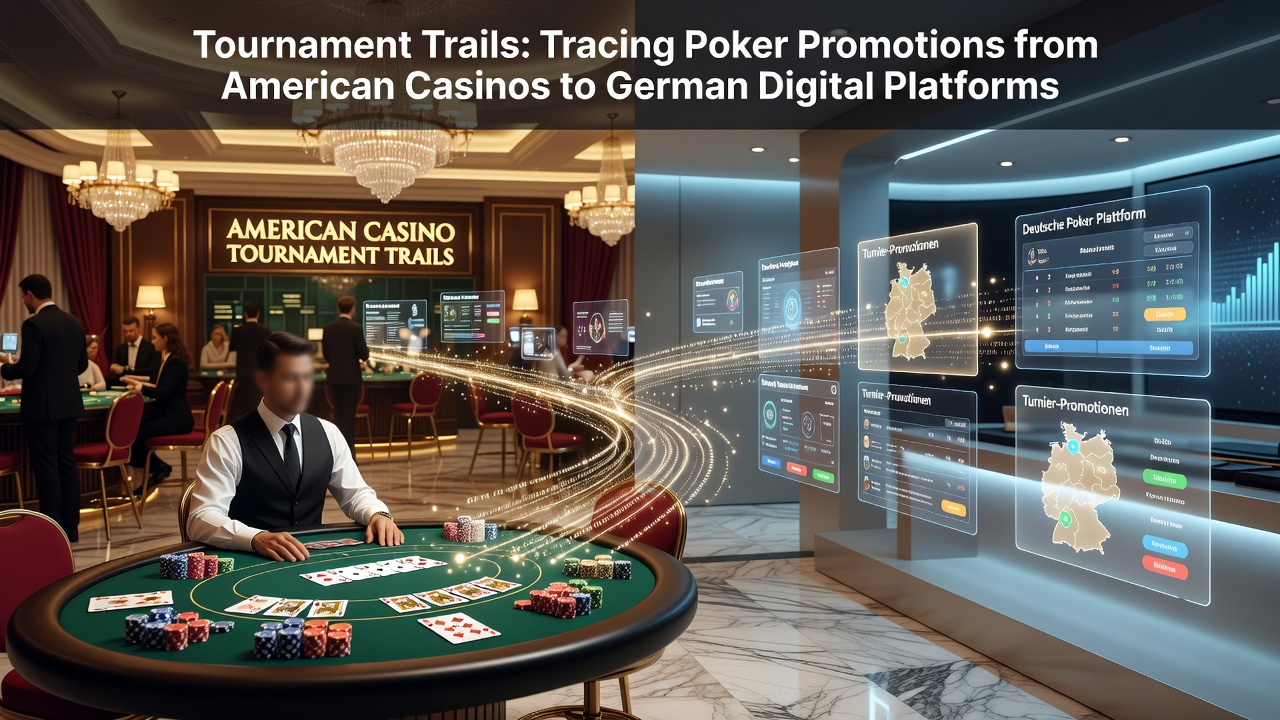
Tournament Trails: Tracing Poker Promotions from American Casinos to German Digital Platforms
American casino floors have long served as testing grounds for poker promotion formats that later appear on German digital platforms, with structures such as satellite qualifiers, leaderboard races and deposit-match bonuses evolving through direct adaptation. Observers note that the World Series of Poker in Nevada established multi-stage entry systems in the 1970s, and these mechanics reached licensed operators in Germany by the mid-2010s through software licensing agreements and player migration patterns. Data from industry reports indicate steady cross-border influence, where U.S. land-based events supply the template for online series that comply with German state regulations on player pools and prize pools.
Early American Casino Models
Las Vegas and Atlantic City properties introduced guaranteed prize pools and frequent flyer-style loyalty tiers during the 1980s and 1990s, and these elements translated into digital equivalents once remote gaming expanded. Tournament directors coordinated with casino marketing teams to create daily rebuy events and satellite paths to main events, while German operators later adopted similar calendar structures under the GlüStV framework that took effect in 2021. Figures from regulatory filings show U.S. properties hosted over 1,200 poker tournaments annually by 2019, creating a catalog of formats that European platforms began licensing through white-label providers.
Digital Migration and Platform Adaptation
Software developers that supplied both U.S. tribal casinos and European markets carried promotion engines across jurisdictions, allowing German sites to replicate rake races and bad-beat jackpots without rebuilding the underlying code. Players registered in one region sometimes carried account histories to new platforms, and operators tracked these movements to refine bonus eligibility rules. In October 2026 several German operators launched synchronized series that mirrored WSOP Circuit stops, complete with point multipliers for early registration periods. Research from gaming associations reveals that such mirrored promotions increased average session times by measurable margins on both sides of the Atlantic.
Regulatory Bridges Between Regions
Nevada and Pennsylvania gaming control bodies publish detailed tournament reporting requirements that German authorities reference when evaluating new operator applications. Compliance teams study these documents to ensure German platforms meet local deposit limits while preserving the promotional appeal developed in American markets. A report issued by the European Gaming and Betting Association outlines how cross-licensing of poker client software accelerated after 2022, enabling German sites to offer multi-table tournaments with structures first proven in U.S. card rooms. Observers highlight that this exchange remains one-directional in practice, with American formats appearing in Germany faster than the reverse.
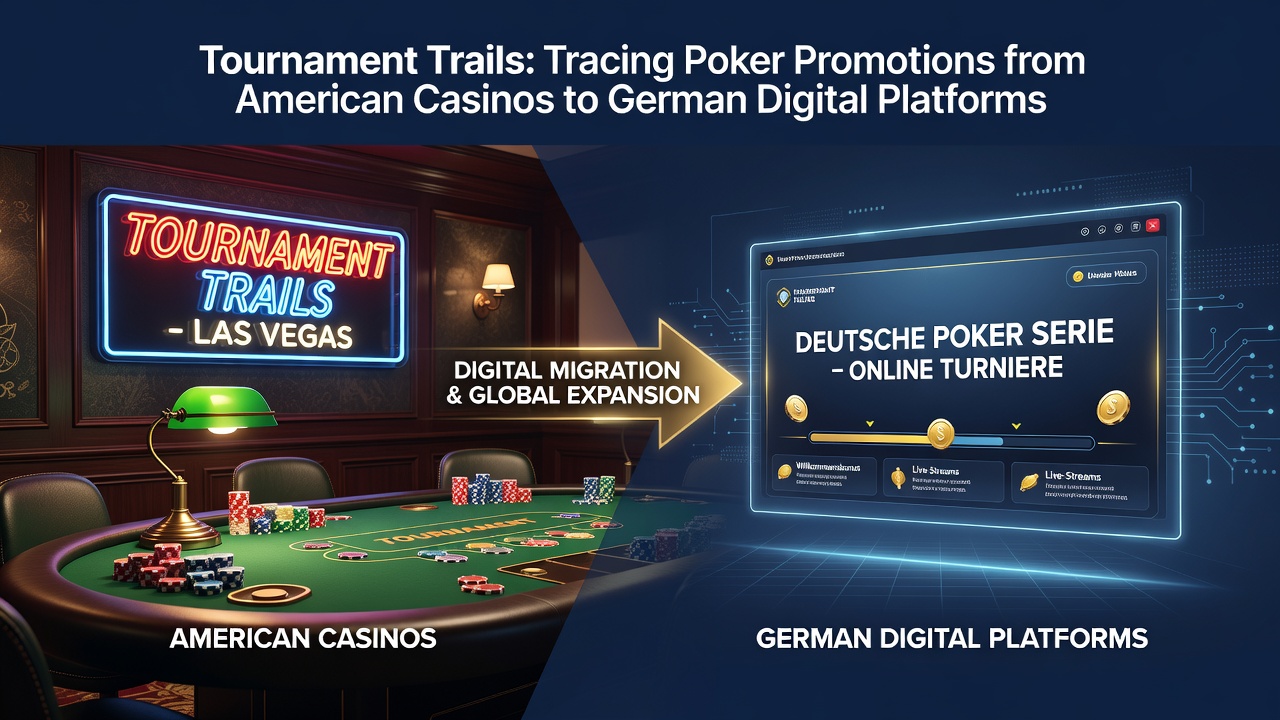
Current Promotion Structures in 2026
German digital platforms now run weekly leaderboard challenges that award tickets to larger events, a direct descendant of the weekly tournaments once exclusive to U.S. properties. Satellite entry systems allow players to qualify for high-stakes tables through smaller buy-ins, and operators publish transparent payout structures that echo Nevada standards. Data collected by state lottery and gaming regulators in Germany show participation numbers rising steadily through 2025 and into October 2026, with many users progressing from free-roll qualifiers to paid events. Industry analysts track these patterns through anonymized player data shared under mutual recognition agreements between jurisdictions.
Player Pathways and Loyalty Integration
Loyalty programs that originated in American casinos, such as point accumulation for comped rooms and meals, evolved into digital cashback and reload systems on German sites. Players accumulate status through consistent tournament volume, and operators segment offers based on historical performance metrics first developed in U.S. player tracking systems. Research indicates that integrated loyalty layers increase retention rates across both markets, though German platforms cap maximum rewards to align with local consumer protection rules. Case examples from operator filings demonstrate how American tournament calendars informed the timing of German series launches, creating overlapping schedules that keep active players engaged year-round.
Conclusion
The flow of poker promotion formats continues from American casino origins to German digital platforms through shared software, regulatory observation and player mobility. Structures first tested on physical felt surfaces now operate in virtual lobbies under distinct legal frameworks, yet retain recognizable mechanics. Ongoing data exchange between regulators and operators sustains this transfer, producing tournament calendars that reflect both heritage and adaptation as of October 2026.