Navigating Exchange Rate Swings and Their Influence on Cash-Out Schedules in International Poker Networks
Written by Ulrich Zimmermann · Sep 24, 2026
Navigating Exchange Rate Swings and Their Influence on Cash-Out Schedules in International Poker Networks
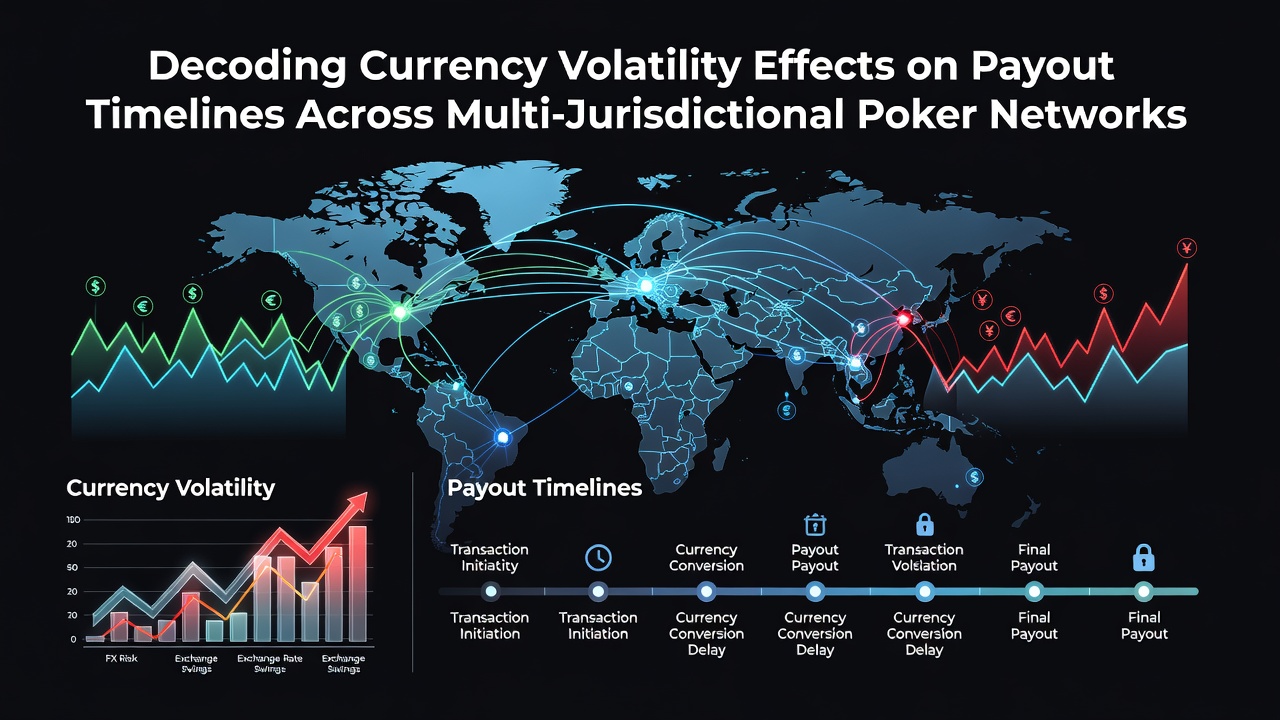
Multi-jurisdictional poker networks process transactions across dozens of currencies daily, and exchange rate fluctuations create measurable delays in payout processing for operators and players alike. Networks must convert funds from one denomination to another before completing withdrawals, which means sudden shifts in value can trigger additional compliance checks or liquidity adjustments that extend standard timelines. Research from industry reports shows these conversions often involve intermediate banks and payment processors that apply holding periods when volatility exceeds certain thresholds, particularly in networks spanning North America, Europe, and Asia-Pacific regions.
Core Mechanisms Linking Volatility to Processing Delays
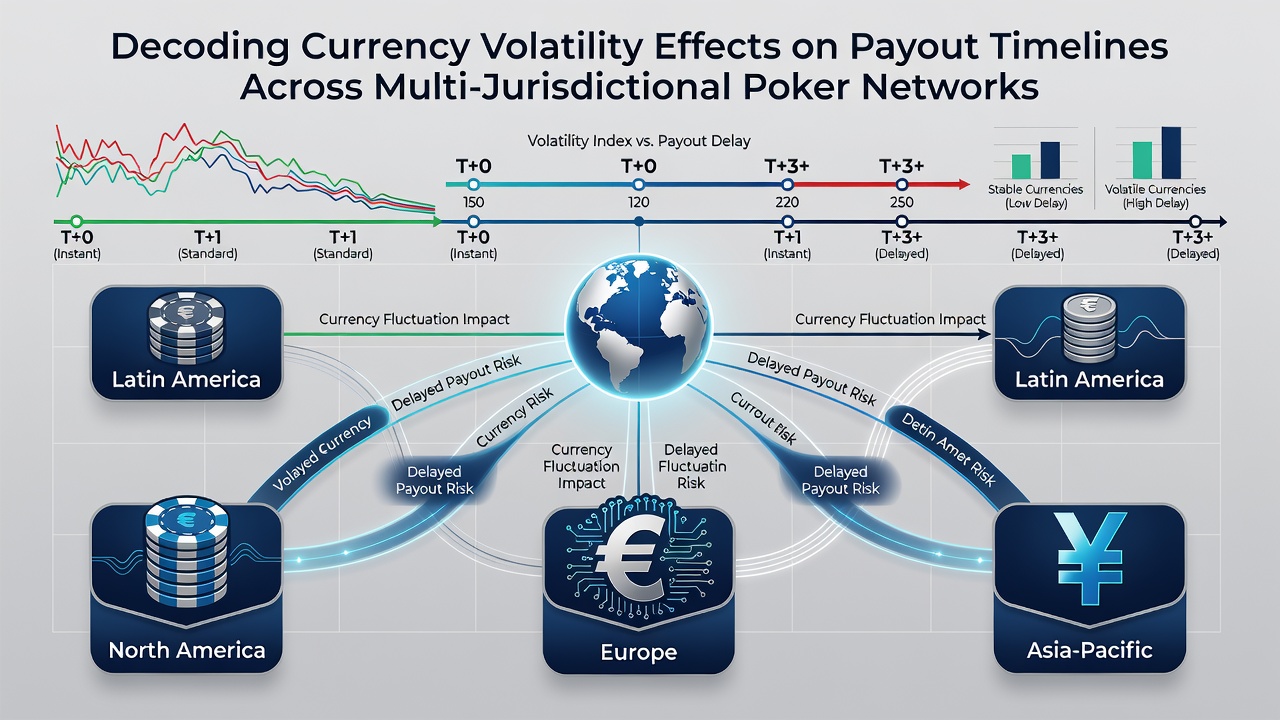
Operators maintain reserve accounts in major currencies such as the US dollar, euro, and British pound, yet player balances frequently sit in secondary currencies like the Canadian dollar or Australian dollar. When rates move more than two percent within a single trading session, automated systems flag the transaction for manual review, and that step alone adds between twenty-four and seventy-two hours according to data compiled by payment service providers. Those who've studied transaction logs across several platforms note that the delay compounds when networks route funds through multiple jurisdictions, each with its own anti-money laundering rules that require fresh verification after currency conversion.
Payment rails themselves introduce further variables. E-wallets and wire services recalculate fees in real time, and sharp movements can push a transaction over internal risk limits, forcing operators to seek alternative routing. Figures from network operators reveal that September 2026 saw an uptick in such reroutes during periods of heightened volatility tied to central bank announcements in multiple regions simultaneously.
Regional Regulatory Overlays and Their Interaction with Market Swings
Different licensing authorities impose distinct requirements on how quickly funds must reach players once a withdrawal request clears initial screening. Canadian provincial regulators emphasize rapid settlement for locally licensed skins, while certain European authorities require extended monitoring when cross-border conversions exceed set thresholds. Observers note that these overlapping rules create friction points where a single volatility spike can stall payouts across an entire network until each jurisdiction signs off.
Industry associations tracking compliance metrics report that networks operating under multiple licenses maintain separate liquidity pools precisely to absorb rate shocks without triggering automatic holds. Yet even with these buffers in place, processors still pause large withdrawals when daily fluctuation margins are breached, because regulators in one region may interpret the same movement differently from those in another.
Technical Infrastructure and Hedging Practices
Modern poker platforms integrate real-time FX feeds directly into their back-office systems so that payout queues adjust dynamically. When volatility algorithms detect sustained movement, the software can automatically batch smaller withdrawals or prioritize those already in stable currencies. Academic studies on financial technology in gaming have examined these automated responses and found they reduce average processing time by roughly eighteen percent compared with manual systems, although the benefit diminishes when multiple high-volatility events occur within the same week.
Some networks employ forward contracts and options to lock in exchange rates for anticipated payout volumes, a practice that smooths timelines but requires accurate forecasting of player withdrawal patterns. Data from payment processors indicates that networks using such instruments experience fewer interruptions during periods of elevated market activity, particularly around major economic data releases.
Player-Facing Consequences and Network Responses
Players see the effects primarily through extended confirmation windows rather than outright denials. A withdrawal request submitted in one currency may sit in a pending state while the network converts and verifies the amount, and notifications often cite "standard security review" even when the underlying cause traces back to rate movements. Those monitoring player forums across several sites have documented recurring complaints during weeks when major currency pairs moved sharply, followed by quicker resolutions once rates stabilized.
Networks have responded by publishing clearer timelines that account for volatility buffers, and some now offer players the option to receive payouts in a network-preferred currency to bypass conversion steps entirely. This approach reduces the number of intermediaries and shortens the window during which exchange rates can shift again.
Conclusion
Currency volatility influences payout timelines through a combination of conversion mechanics, regulatory checkpoints, and liquidity management practices that span multiple jurisdictions. Networks continue to refine automated monitoring and hedging tools to keep delays within acceptable ranges, while players encounter these effects mainly as extended processing periods rather than blocked transactions. Ongoing adjustments in both technology and policy will determine how efficiently future rate movements are absorbed across global poker operations.